
If your kitchen drains to the City of Corpus Christi's sewer, the City wants the trap or interceptor completely cleaned at least every 90 days, and sooner once grease and solids fill 25 percent of its depth. Outside Corpus, your own city's utility sets the interval. Either way, it should be a full pump-out by a TCEQ-registered hauler, and you should get a trip ticket to keep.
What the trap is doing
TCEQ describes a grease trap as a device that separates and holds fats, oils and grease before the water reaches the sewer. It also catches the food solids that come down with it. Grease floats, solids sink, and the cleaner water in the middle moves on.
That only works while there's room. The City of Corpus Christi's grease manual puts it simply: once an interceptor holds more than 25 percent grease or solids, it stops separating, and the grease goes down the line instead.
How often to pump it
Inside Corpus Christi, the City's manual says grease traps and interceptors have to be completely cleaned at least every 90 days, or sooner when:
- floating grease and settled solids reach 25 percent of the wetted depth,
- the grease layer in the last compartment gets to six inches,
- the pipes downstream show grease, or
- the kitchen has a history of problems.
The City can approve a longer gap in writing for kitchens that make very little grease, but never longer than six months.
Anywhere else, TCEQ says the right schedule depends on the size of the trap, how much waste you make, the manufacturer's recommendation and your local rules. Its advice is to pump before the trap is full, because overfilling is what leads to clogged lines and spills. A busy fryer kitchen often needs it monthly.
What a full pump-out includes
Skimming the grease off the top is not a pump-out. The City's manual says normal maintenance means removing everything: the floating grease, the gray water, the settled solids and the grease on the walls. It also says nothing pumped out can go back into the trap or the sewer, and it bans enzymes, bacteria and emulsifiers in the trap.
TCEQ adds one more: once the truck arrives for a scheduled service, the trap has to be fully emptied within 24 hours, even if it takes more than one load.
That matches how we do it. We pump the whole trap, scrape the walls and baffles, and time the visit before you open or after you close, at the same price. More on that here: grease trap pumping.
Who's allowed to haul it
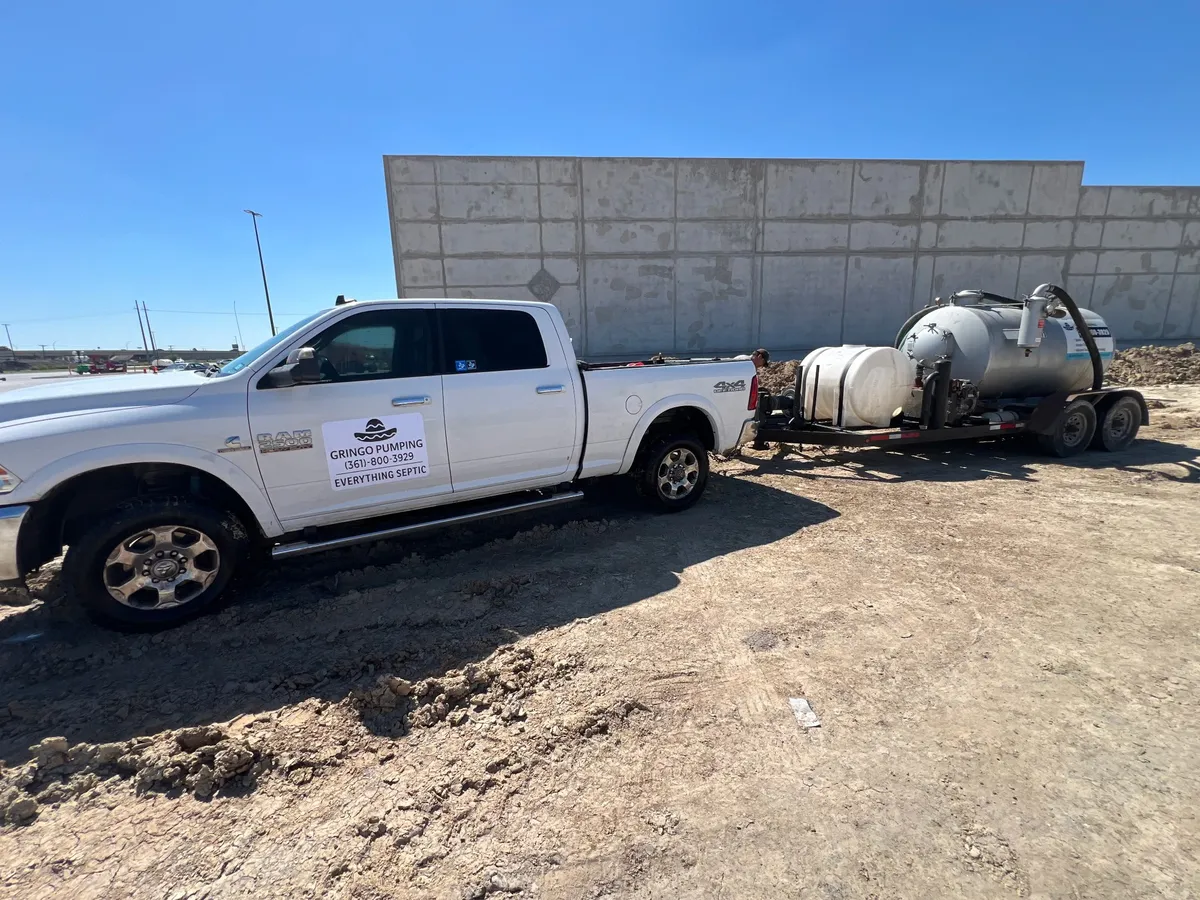
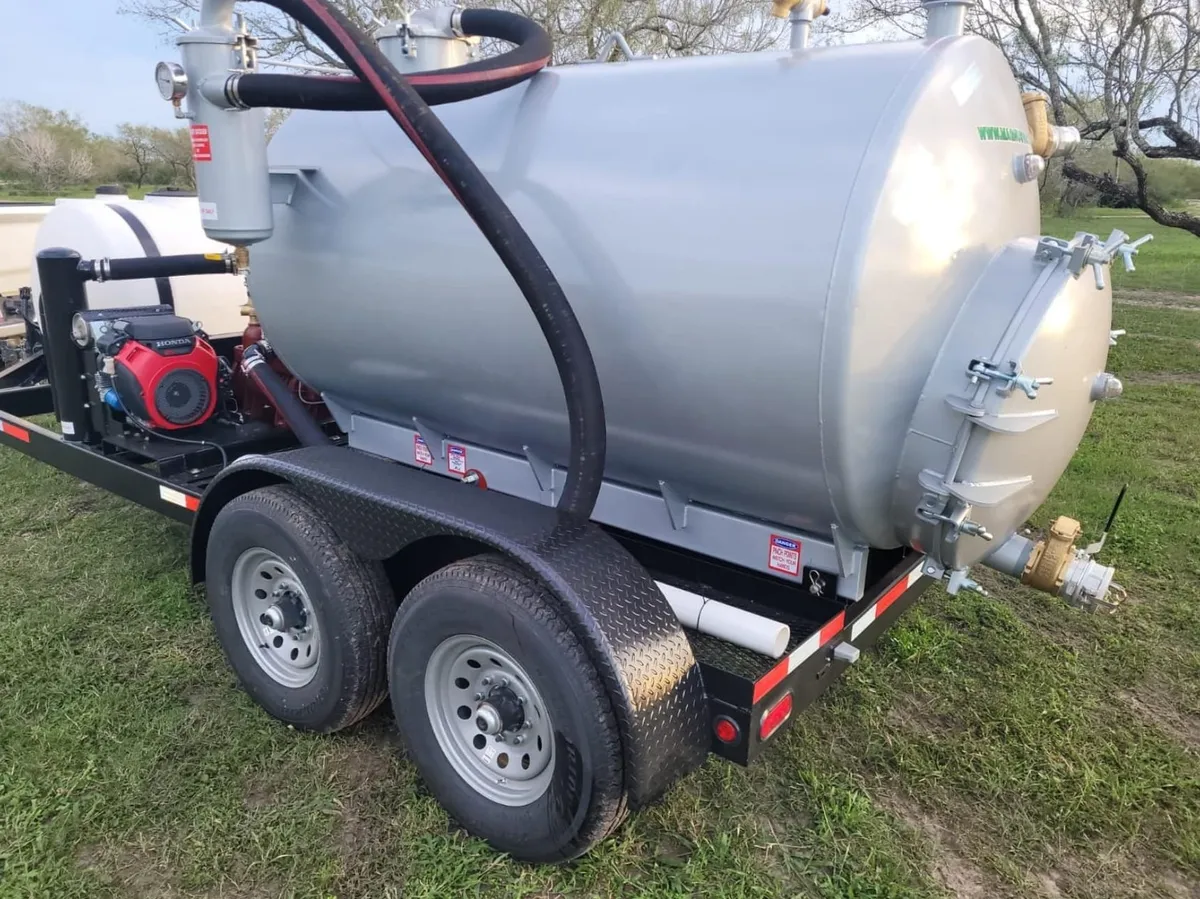
In Texas, only a sludge transporter registered with TCEQ can legally pump and haul grease trap waste. TCEQ says to ask for a copy of the hauler's Notice of Registration and look for an unexpired sticker on the truck door. Gringo Pumping's TCEQ registrations are 26425 and 27073, and you can look up any company on TCEQ's transporter search.
Cities add their own rules on top of the state's: pumping intervals, forms and hauler permits. Corpus Christi's are in its FOG manual and on its liquid waste haulers page. Check both before you book a hauler, whoever it is.
The paperwork to keep
Every pickup comes with a trip ticket, also called a manifest. TCEQ says to check that yours shows:
- your business name, address and phone number,
- the type of waste and the size and type of trap,
- how much was collected, with the date and time, and
- where it's being taken.
Sign it, then make sure you get the final copy back with three signatures: yours, the hauler's and the disposal site's. Corpus Christi restaurants have to keep five years of those records on site and show them when an inspector asks.
Between pump-outs
The less grease that reaches the trap, the longer it works. The City's list for kitchens is short:
- Scrape plates and pots into the trash before washing.
- Put screens in the sinks and floor drains and empty them in the trash.
- Keep greasy food out of the garbage disposal.
- Soak up grease spills instead of washing them down.
- Train new people on it, and post the rules where they'll see them.
Clean trap, slow drain?
If the trap was just pumped and the kitchen still drains slowly, look at the pipe. Grease that gets past the trap builds up in the line behind it. The City doesn't require it, but its manual tells kitchens to plan on cleaning that line once a year. Hydro jetting scours the grease off the pipe wall instead of poking a hole through it.
Not on city sewer?
Some kitchens, churches and event halls drain through a grease trap into a septic tank. The trap matters even more there, because grease that gets past it ends up in the tank and the drain field. We handle both sides: commercial septic pumping and the trap, on one visit if you like.
The bottom line
Know your interval, insist on a full pump-out, and keep the ticket. We pump traps from Alice to Corpus Christi, Robstown and Odem, and wash bays too with grit trap cleaning. See who we've worked for on our commercial accounts page, or call (361) 800-3929, 24 hours a day.
 Related services