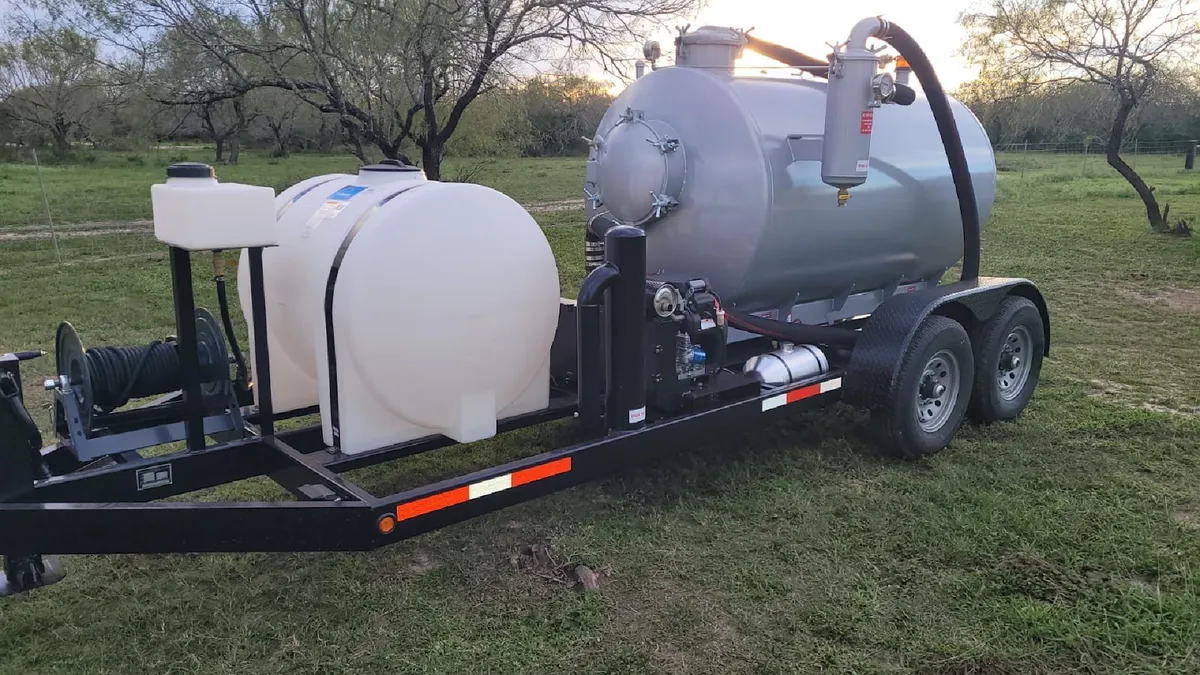
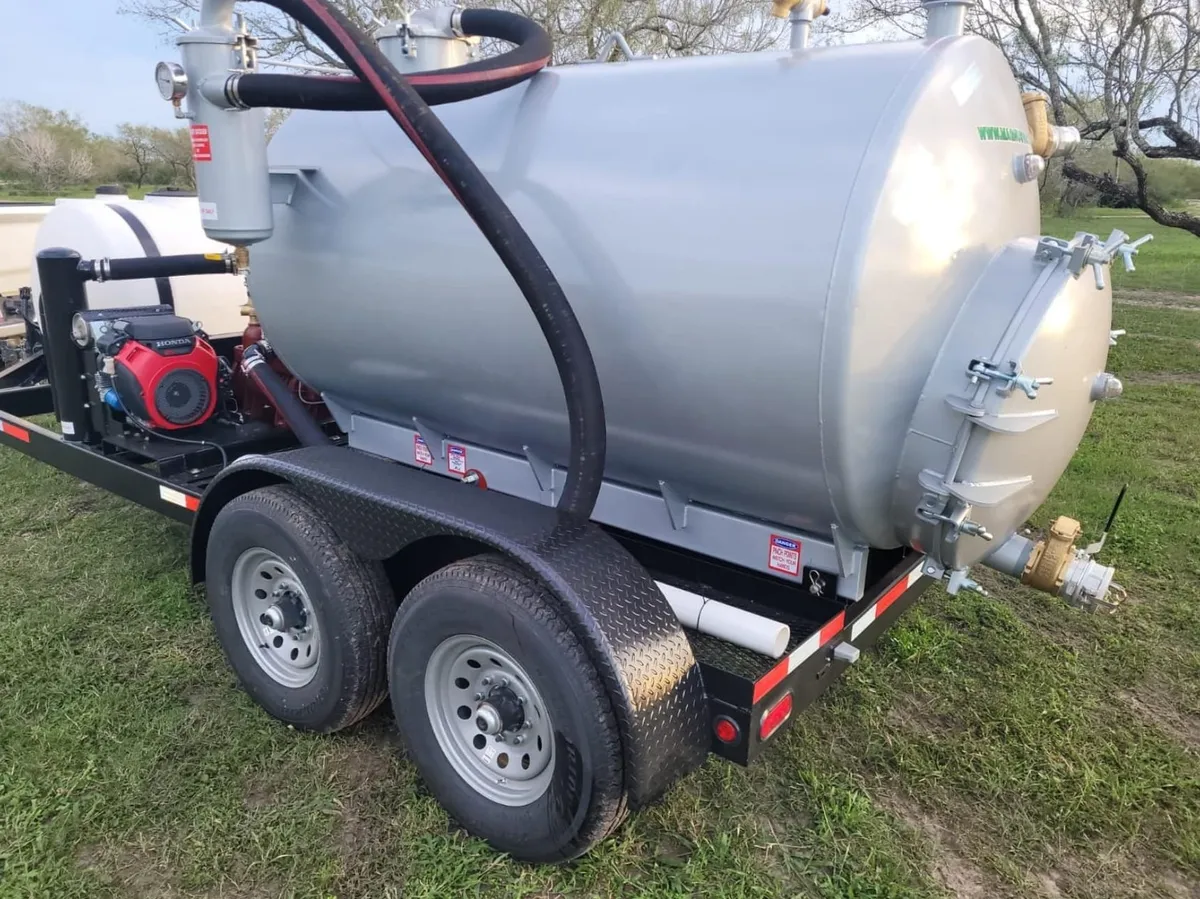

Spread the water out: the EPA advises running laundry across the week instead of all in one day, and spacing out showers and dishwasher loads helps the same way. Keep cooking grease, wipes and paper towels out of the drains. If the tank is due, pump it before the guests arrive. If sewage starts coming back up, stop running water and keep everyone away from it, then call. Gringo Pumping answers 24 hours a day, holidays included, at the weekday price.
Why a full house is hard on a septic tank
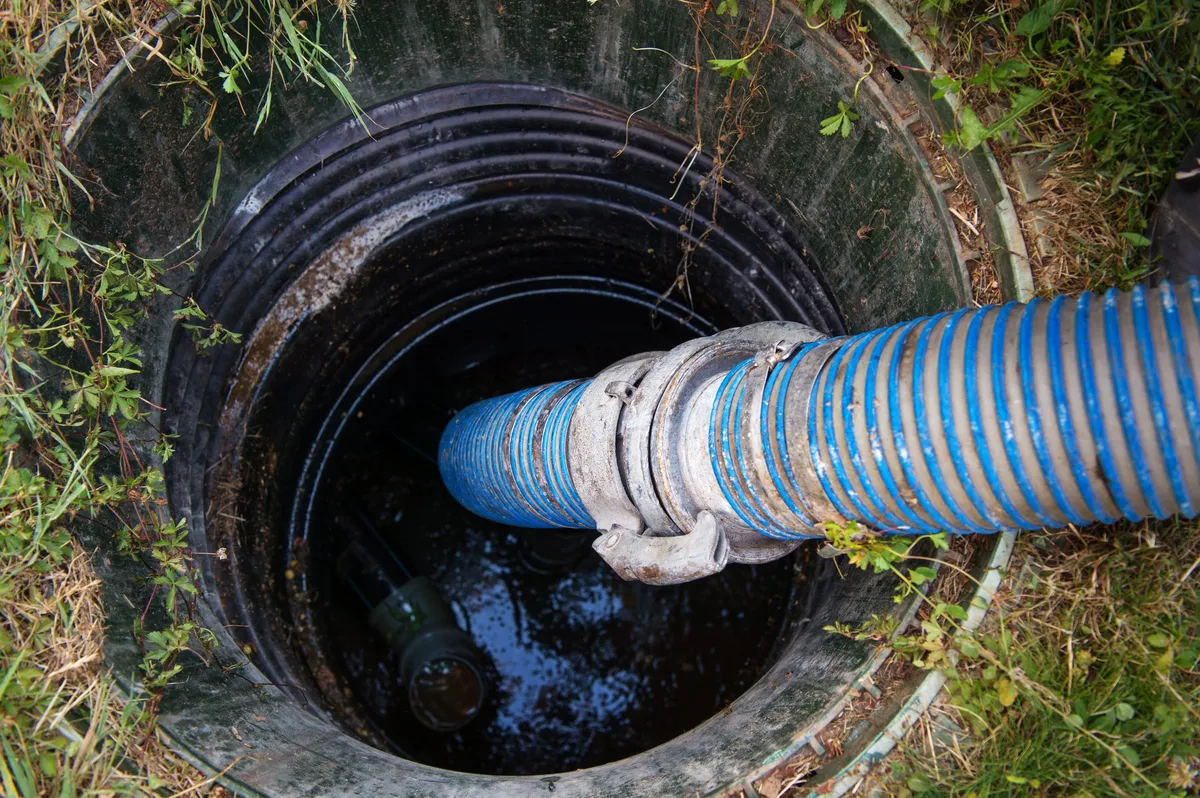
All the water in the house leaves through one main drain and runs into the septic tank. The tank's job is to hold that wastewater long enough for the solids to settle to the bottom and the grease to float to the top, so only the liquid moves on to the drain field.
The EPA puts typical indoor water use as high as 70 gallons per person, per day. Double the people in the house for a long weekend and you roughly double what the tank has to handle, which gives the solids less time to settle. If the drain field gets more liquid than it can take, the EPA warns it can flood, sending sewage to the surface of the yard or back up into toilets and sinks.
Before the guests arrive
- Check when the tank was last pumped. TCEQ and the EPA put a conventional tank on a three-to-five-year schedule. If you're close to that, or nobody remembers, book a septic tank pumping before the house fills up rather than after.
- Fix the running toilet. The EPA says a single leaky or running toilet can add as much as 200 gallons of water a day. That's a houseful of guests' worth of water before anyone arrives.
- Know where the tank is. If it ever needs an emergency pump-out, finding a buried lid in the dark costs time. If you don't know where yours is, we find it as part of any pump-out.
- Put a trash can in every bathroom. Guests don't know your house is on septic.
During the visit
- Spread out the laundry. The EPA's advice is to spread washing machine use through the week; doing it all in one day doesn't give the tank time to treat the waste and can flood the drain field. Hold the towels and sheets until the weekend is over.
- Space out showers and dishwasher loads for the same reason.
- Keep the grease out. The EPA says never pour cooking oil or grease down the drain. Let turkey and ham drippings cool, then scrape them into a can and into the trash.
- Go easy on the garbage disposal. The EPA recommends limiting it; it sends fats, grease and solids into the tank that can end up clogging the drain field.
- Toilet paper only. The EPA's rule is human waste and toilet paper, nothing else. Wet wipes, paper towels, diapers and feminine products all belong in the trash.
Signs trouble is starting
The EPA's list of warning signs is worth knowing before you need it:
- water and sewage backing up into toilets, tubs or sinks,
- drains that are slow all over the house,
- gurgling in the plumbing,
- standing water or damp spots near the tank or over the drain field,
- a sewage smell around the tank or drain field.
The lowest drain in the house, usually a tub or shower, tends to show it first.
If it backs up
- Stop running water. Every flush, shower and load of dishes adds to the backup.
- Keep people and pets away from it. The EPA warns that sewage can carry harmful pathogens. Anyone cleaning up should wear long rubber gloves and face protection.
- Skip the chemical drain opener. The EPA advises against them on a septic system; they kill the organisms that treat the waste, and they won't fix a full tank.
- Call. Our 24-hour emergency septic service means a real person answers, nights, weekends and holidays, and a holiday call costs the same as a Tuesday.
Once the mess is out, the EPA's cleanup advice is to wash everything that touched it, disinfect with a mix of 90 percent water and 10 percent household bleach, and keep the area out of use until it has been completely dry for at least 24 hours.
Is it the tank or the line?
If the tank was pumped recently and the house still backs up, look at the inlet side: the line between the house and the tank, or the inlet baffle. A camera shows the line without digging, hydro jetting scours out grease and build-up, and a broken baffle or line is a septic repair, not another pump-out.
Running a kitchen through the holiday rush?
Restaurants, churches and event halls feel the same season. A grease trap that's due will pick the busiest night to back up. If your kitchen is getting ready for a heavy month, get the trap on the calendar first with grease trap pumping, and see commercial septic pumping for the restrooms and the rest of the property.
Where we run
The trucks run out of the shop in Alice to Corpus Christi, Robstown and Calallen, Sandia and Lake City, Odem, Sinton, Flour Bluff and the ranch country in between. See every town on the route, or just call and ask.
The bottom line
Pump before the holidays if you're due, spread out the water while the house is full, and keep grease and wipes out of the drains. If it backs up anyway, stop the water and call (361) 800-3929. We answer 24 hours a day, every day of the year.
 Related services